Adaptability is one of the most valuable skills in an increasingly diverse and interconnected world. The ability to adjust to different situations, environments, and interactions allows individuals to navigate change with greater confidence and openness. People who are adaptable understand that circumstances are not always predictable. Rather than resisting change, they learn to embrace new experiences, adjust their expectations, and respond constructively to challenges. This ability helps reduce frustration, stress, and anxiety while fostering a more balanced approach to life.
The importance of adaptability became evident during the COVID-19 pandemic, when educational institutions around the world were forced to transform traditional learning models almost overnight. The disruption of daily routines and the transition to remote education challenged students, educators, and families alike. Those who were more adaptable were often better equipped to navigate the new learning environments and embrace different ways of acquiring knowledge. This transition demonstrated how technology and flexibility could create new educational opportunities.
Adaptability and resilience are closely connected. Both abilities empower individuals to face uncertainty, overcome obstacles, and remain focused on their goals despite changing circumstances. Teaching children to become adaptable and resilient is therefore essential. These qualities prepare them for academic challenges and for the complexities of life in a multicultural society.
A lack of understanding of other people’s values, beliefs, and cultural backgrounds is often at the root of interpersonal and social conflicts. Multicultural education seeks to address this challenge by promoting respect, understanding, and acceptance of differences. From an intercultural perspective, cultures do not develop in isolation; they evolve through continuous interaction, exchange, and interdependence.
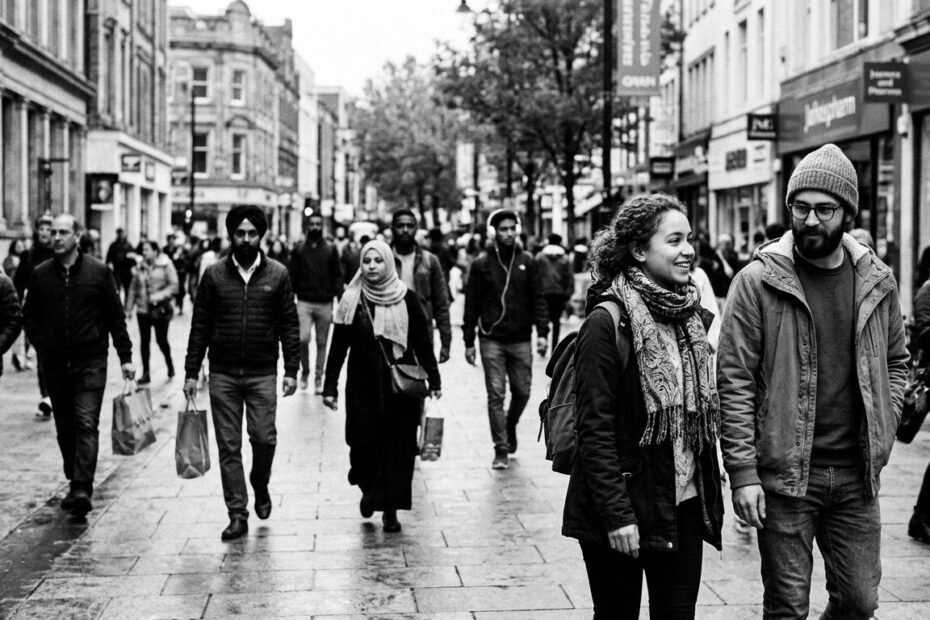
Globalization has transformed societies into spaces where people from different cultural backgrounds live, work, and learn together. However, living in a multicultural society does not automatically lead to mutual understanding. Racism, xenophobia, and intolerance, often fueled by social, political, economic, and cultural factors, continue to threaten peaceful coexistence. These attitudes can lead to discrimination and violence, particularly against vulnerable individuals and those who do not conform to the expectations of the majority.
Yet cultural differences should never be perceived as obstacles to coexistence. On the contrary, diversity is a powerful source of personal and collective enrichment. When people engage with one another through cooperation, empathy, and solidarity, cultural plurality becomes an opportunity to expand perspectives, challenge assumptions, and build stronger communities.
We all have the responsibility and the ability to confront intolerance and contribute to meaningful social change. As educators, our responsibility goes beyond transmitting knowledge. We have the opportunity to shape attitudes, encourage critical thinking, and cultivate an appreciation for the richness of human diversity. By teaching students to embrace change, respect different perspectives, and recognize the value of cultural differences, we plant the seeds of a more inclusive society.
Adaptability allows us to navigate an ever-changing world, while multicultural education teaches us how to live together in it. Both are essential to building a future in which differences are not tolerated but valued. As educators, we have the responsibility to inspire that transformation, one student, one interaction, and one learning experience at a time.