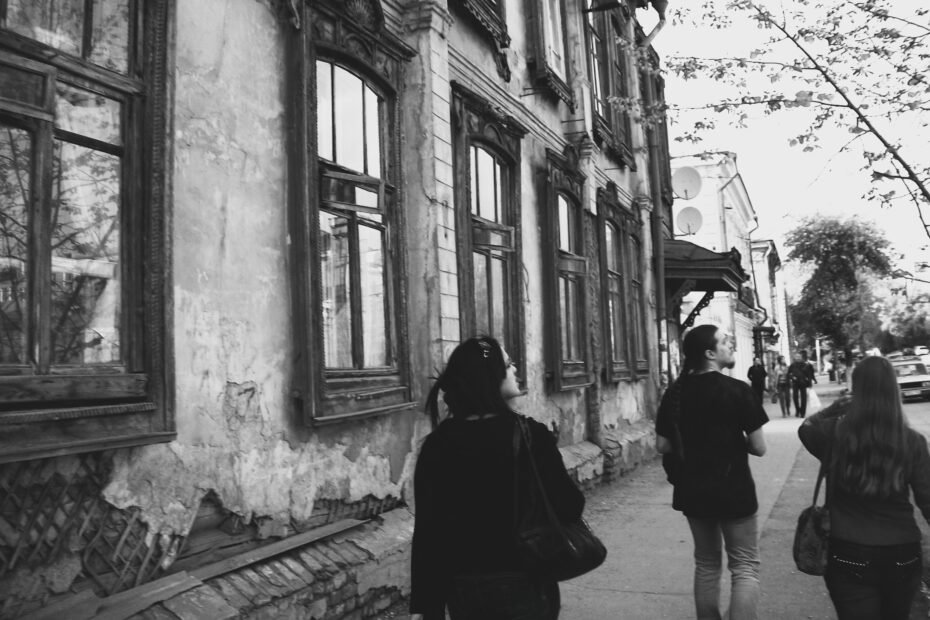
Samara is a Russian city located south of Moscow. Although the two cities are close to each other, there are significant differences between them. Moscow is a very cosmopolitan city; in Samara, however, it is difficult to encounter a foreigner.
As in many parts of Russia, the people of Samara place great importance on culture. According to Jones (2017), Russians are very proud of their history and contributions to the world. Samara is full of museums, monuments, churches, and exquisite architecture. There are also very special days throughout the year.
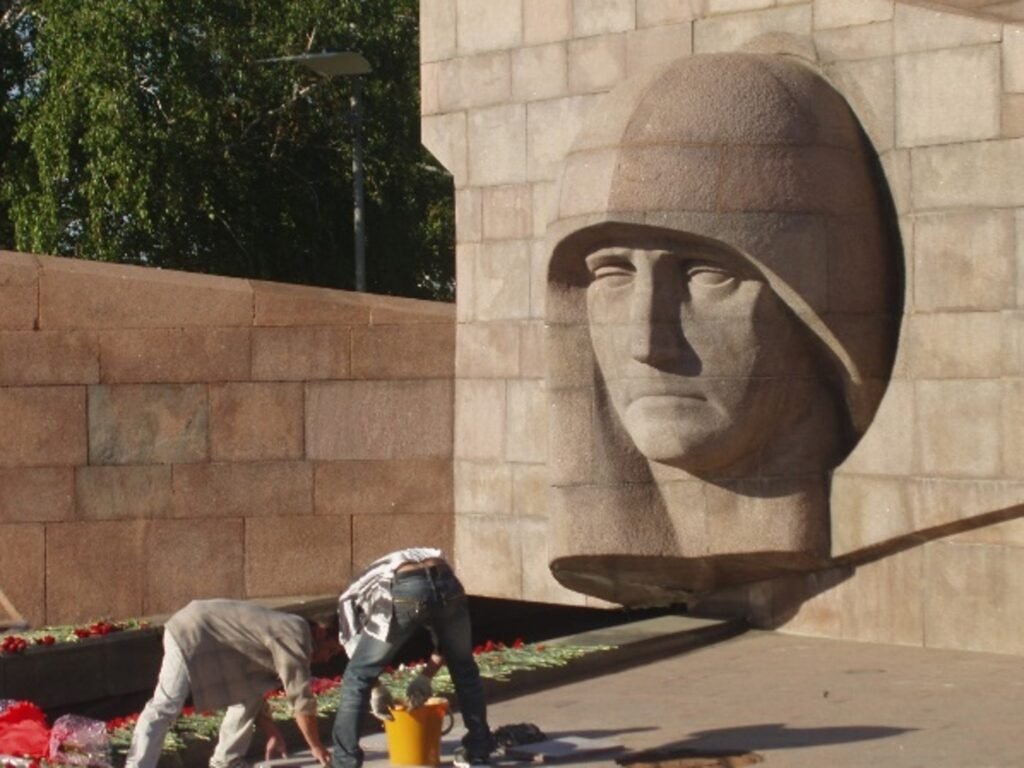
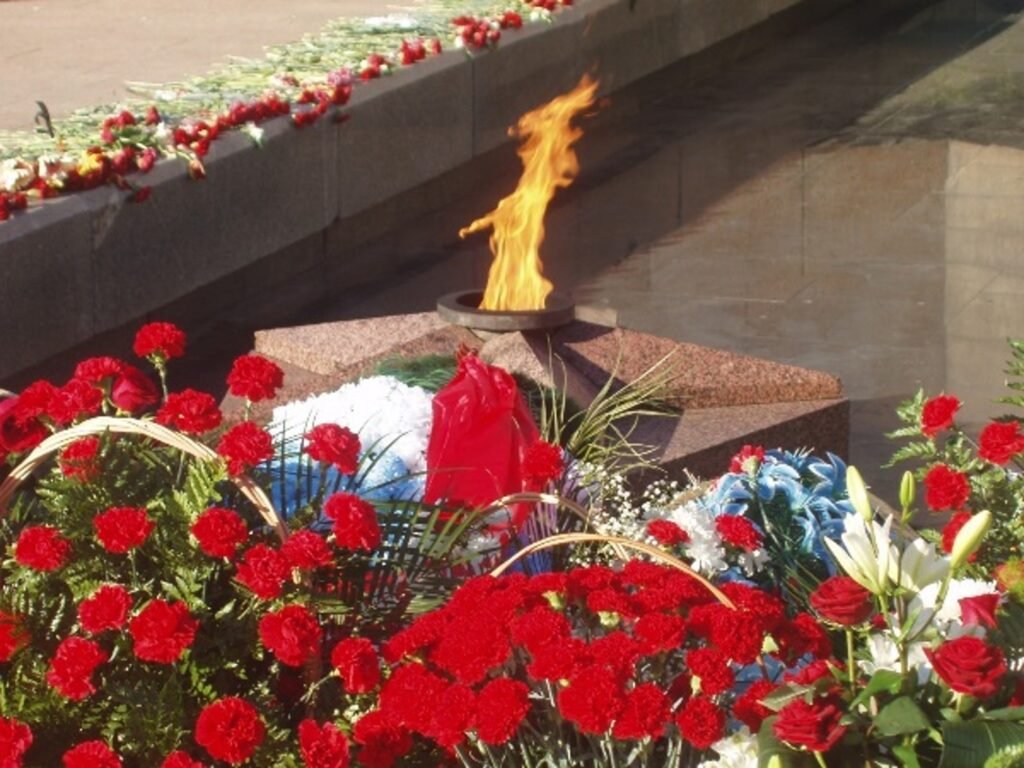
One of the most significant, if not the most, is May 9. On that day, many Samara residents take to the streets to watch the parades, lay flowers in tribute to fallen soldiers, and celebrate Victory Day.
The city has areas of extreme poverty as well as areas of great luxury, and it is difficult to find a middle ground. However, on Victory Day, many people set aside these differences, and the focus turns to pride and celebration. The contrast between poverty and culture in Samara is particularly interesting from the perspective of what happens on that day.
This historical commemoration in Russia recalls the events of the Great Patriotic War and the defeat of Nazi Germany. In Russia, this day commemorates the victory in the Great Patriotic War. Celebrations and crowded rallies take place throughout the country.
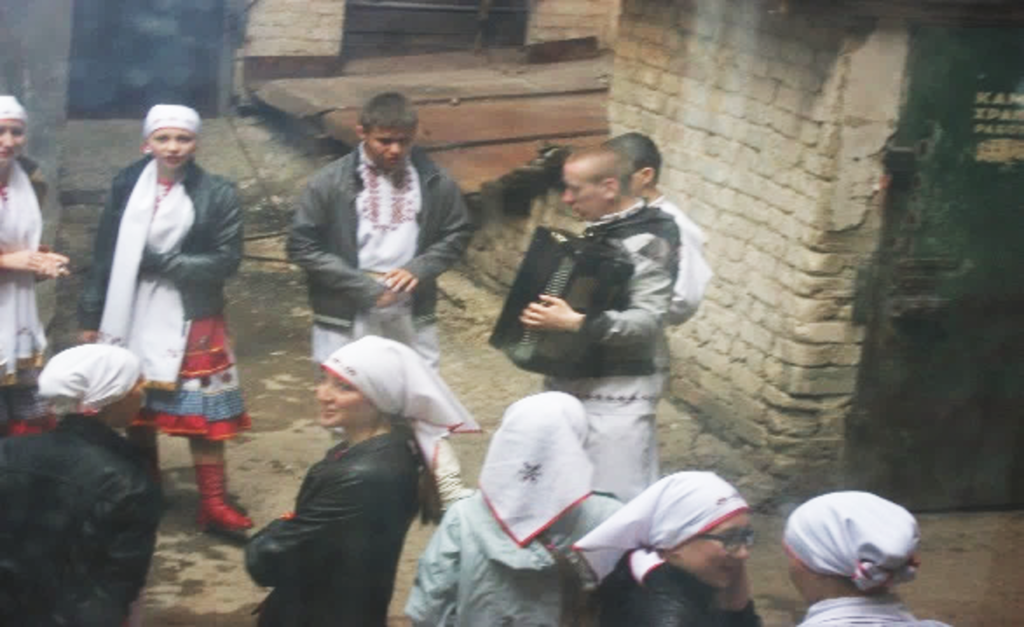
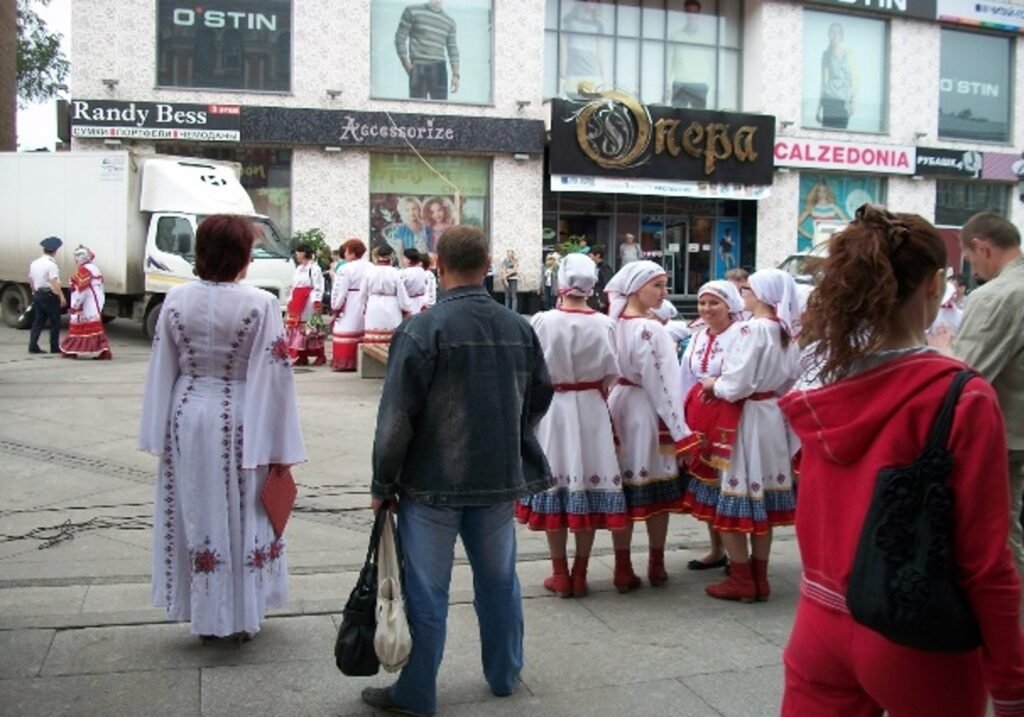
The parade is held on one of the most important streets in Samara, Leningradskaya Street, which contrasts with the poverty found in other neighborhoods. Almost all the expensive shops are concentrated there, and luxurious limousines can often be seen passing by.

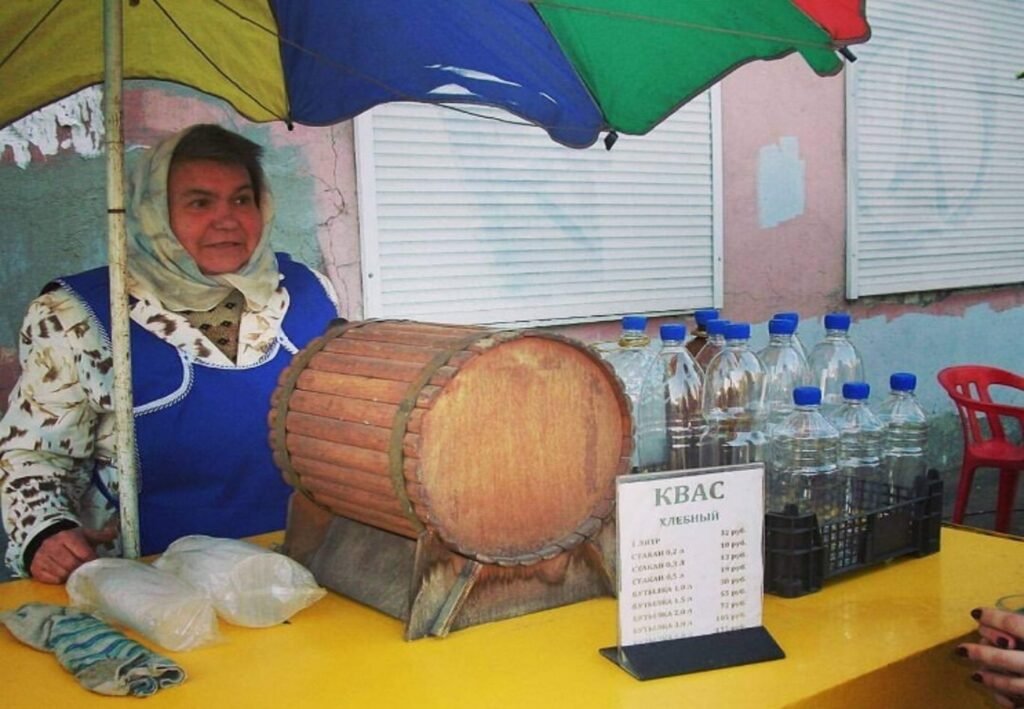
According to Banks and McGee Banks (2019), there is a strong correlation between race and class in the United States, as high proportions of people from disadvantaged backgrounds experience exclusion and marginalization. It would be interesting to study which factors are most strongly associated with poverty in Samara, particularly in a city where racial and ethnic diversity appears to be less visible than in Moscow.
According to tradition, on Victory Day, Russians visit places where battles took place, monuments of military glory, and the graves of fallen soldiers, where they lay flowers. They also hold rallies and ceremonial processions involving military units.
Veterans, of whom there are fewer every year, gather in the central squares of cities, meet with fellow soldiers, and remember their fallen comrades. The memory of those who died, respect for veterans, and pride in their sacrifices remain important elements of Victory Day celebrations.
Samara residents and Russians more broadly, use cultural traditions as a way of constructing and projecting a national image. According to the sociologist Volkov (2018), between 67% and 83% of Russians take pride in their country. They take pride in this image, while other concerns seem to become less prominent during these celebrations. For them, maintaining cultural traditions is important.
They believe that political tensions and economic problems are partly the result of a lack of understanding, and that culture can have a positive impact on people’s lives, make them freer, and promote mutual understanding. By maintaining cultural traditions, they can present their values and culture to the outside world, and project an image of Russia as a country with a powerful identity and a rich cultural heritage.
References
Banks, J. & McGee Banks, C. (2019) Multicultural Education: Issues and perspectives, 10th ed. Wiley.
Contino, L. (2026). Samara: Memories of a Journey.
Jones, J. (2017) 5 Characteristics of Russian culture I have learned from my host family while teaching English.
McGruther, J. (2022) Bread Kvass.
Volkov, D. (2018) National pride in Russia.