
Beyond Management: Why People, Not Policies, Define Leadership in Higher Education
Leadership in higher education is constantly evolving, and much of this evolution depends on the leaders themselves.
Leadership in higher education is constantly evolving, and much of this evolution depends on the leaders themselves.
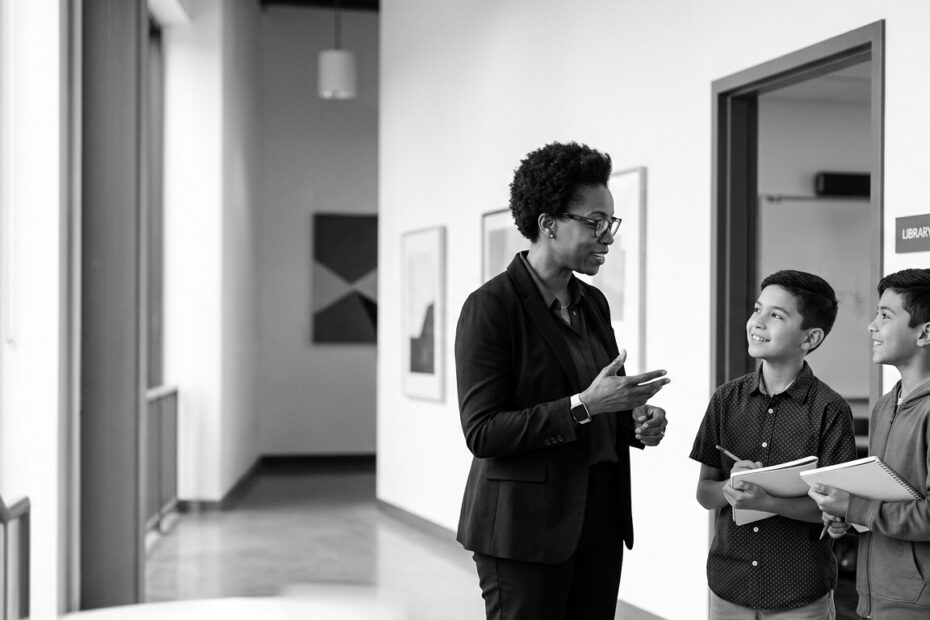
Leadership in education plays a fundamental role in shaping institutions, guiding educators, and supporting students.

Learning requires more than receiving information; it involves reflection, connection, and the construction of meaning.

Flexibility is the direction education must take if it is to prepare learners who are adaptable, and capable of thriving in an ever-changing world.

Assuming that students are learning is dangerous for educators.

The student-teacher bond is the main support on which academic knowledge is based.

Combining play and movement is the best way to improve mental abilities and influence learning motivation.

The educational curriculum should relate different content areas in a meaningful way.

The educational approach should guide teaching practice toward goals that extend beyond academic disciplinary knowledge.

Educational institutions that neglect employee well-being, risk creating operational challenges that may undermine their achievements.